Motor Insulation Test Meter Explained: A UK Buyer's Guide
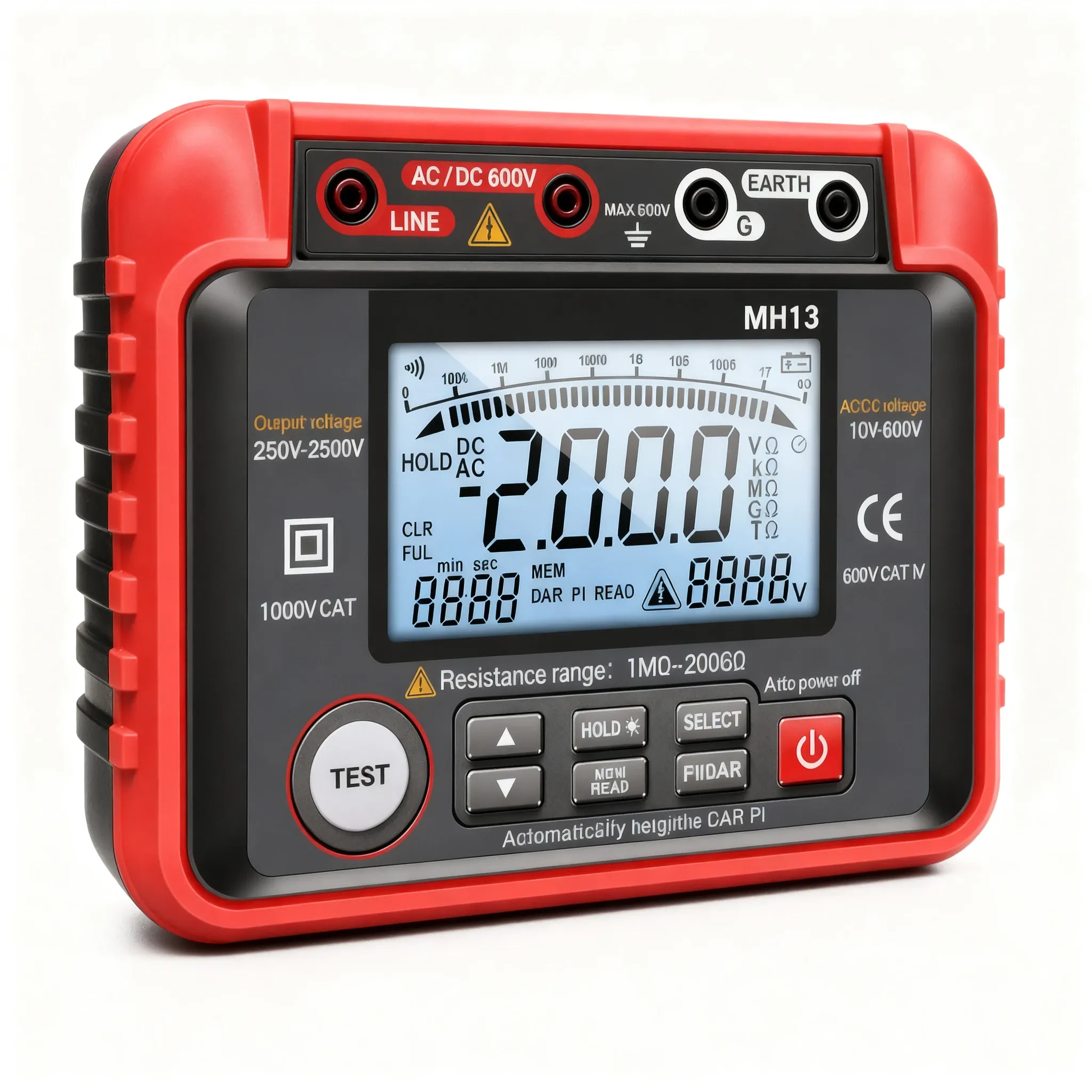
A motor insulation test meter is a dedicated high-voltage diagnostic instrument designed to evaluate the health of an electric motor's internal wiring by measuring its insulation resistance. Electric motor failure in an industrial setting rarely happens without warning. In fact, the subtle degradation of winding insulation is usually the primary culprit, silently compromising efficiency and safety long before a catastrophic breakdown occurs. According to historical data from the Electrical Research Association, insulation breakdown accounts for up to 51% of all electric motor failures. Therefore, waiting for a motor to trip a breaker or emit the tell-tale smell of burning varnish is a costly strategy. Predictive maintenance using a dedicated motor insulation test meter is the only reliable way to monitor winding health, prevent unplanned downtime, and maintain compliance with strict UK safety standards.
Consequently, finding the right diagnostic tool requires cutting through technical jargon to identify what actually matters on a busy factory floor or during routine commercial maintenance. This guide breaks down exactly what you need to look for when selecting a high-voltage testing instrument for motor diagnostics in the UK.
Key Takeaways
- A standard multimeter is insufficient for motor diagnostics; high-voltage testing (up to 2500V) is required to expose microscopic insulation flaws.
- Understanding Polarisation Index (PI) and Dielectric Absorption Ratio (DAR) is critical for accurate motor health assessment.
- Compliance with BS 7671 (IET Wiring Regulations) necessitates regular, documented insulation testing using calibrated equipment.
- Modern testers should feature broad resistance ranges (up to 200GΩ) and built-in data logging to track degradation over time.
What is a Motor Insulation Test Meter and How Does it Work?
Every electric motor relies on a thin layer of insulation—usually an enamel coating on the copper windings and insulating paper in the stator slots—to keep electrical current flowing exactly where it belongs. However, heat, vibration, chemical exposure, and moisture ingress constantly attack these barriers. Over time, microscopic cracks form. Furthermore, moisture and contaminants settle into these fissures, creating a conductive path that allows current to leak to the motor casing (earth) or between phases.
To detect this degradation, a motor insulation test meter (historically referred to as a megger) applies a specific, controlled high DC voltage to these windings. By measuring the minute leakage current that escapes through the insulation, the meter calculates the resistance value in megohms (MΩ) or gigohms (GΩ) using Ohm's Law. High resistance indicates healthy insulation, whereas low resistance is a massive red flag.
Based on our extensive testing at InsulTeste, you cannot achieve this with a standard digital multimeter. Multimeters operate at very low voltages (typically 9V), which simply lacks the electromotive force to push current through the microscopic air gaps and moisture pockets that characterise failing insulation. To get an accurate picture of motor health, you need an instrument capable of generating 500V, 1000V, or even 2500V, depending on the motor's operating voltage.
For a broader understanding of how these devices fit into general electrical maintenance, our guide to the electrical insulation resistance meter provides excellent foundational context.
What Features Should You Look For in a Motor Insulation Tester?
Not all insulation testers are built to the same standard. When specifying equipment for UK facilities, whether you are maintaining HVAC motors in an NHS hospital or heavy-duty conveyor drives in a manufacturing plant, specific features separate professional-grade tools from basic hobbyist equipment.
Why is 2500V Output Capacity Important?
According to UK guidelines for electrical maintenance, the general rule of thumb for testing motor insulation is to apply a test voltage slightly higher than the motor's rated operating voltage. While 500V or 1000V testers are adequate for domestic wiring or standard 400V three-phase motors, larger industrial motors and older, heavily soiled equipment often require higher voltage stress tests to reveal underlying faults. Consequently, a Professional 2500V Insulation Resistance Tester provides the necessary headroom to conduct step-voltage testing on larger machinery without needing to hire secondary equipment.
Do I Need a 200GΩ Resistance Range?
Modern insulation materials are exceptionally effective. When testing a brand-new or recently rewound motor, the resistance values can be incredibly high. Older, cheaper meters often cap out at 2GΩ or 10GΩ, simply displaying "Over Range" for anything above that limit. Unfortunately, this lack of granularity makes it impossible to track the early stages of degradation.
Equipping yourself with a high-accuracy digital meter featuring a 200GΩ range allows you to plot the precise degradation curve over several years. This predictive capability is invaluable. For an in-depth look at why this specific measurement capacity matters, read our comprehensive breakdown in the ultimate guide to 200G Ohm insulation tester in the UK.
Why is AC/DC Voltage Verification Critical?
Safety is paramount when working with industrial electrics. Before initiating any high-voltage test, the circuit must be completely de-energised. A professional motor insulation test meter should include built-in AC/DC voltage verification. This acts as a critical final safety check, instantly alerting the operator if residual voltage or active mains power is still present on the motor terminals before the test begins.
How Do Auto-Ranging Capabilities Help?
Manually switching between resistance ranges while wearing heavy electrical PPE is frustrating and time-consuming. Fortunately, an auto range megohmmeter automatically adjusts its internal scaling to provide the most accurate reading instantly. As a result, this allows the maintenance engineer to focus entirely on the safety of the testing environment rather than fiddling with dials.
Why Do You Need 100-Record Data Storage?
Insulation resistance readings are relative. For instance, a reading of 50MΩ might be perfectly acceptable for an old, damp motor that has operated safely at that level for a decade, but it would be cause for immediate alarm if the same motor measured 500MΩ just last month. Trend analysis is everything.
Instruments featuring 100-record data storage allow engineers to save readings directly to the device on-site. Therefore, this eliminates the risk of lost paperwork or smudged handwriting, ensuring that historical data is accurate and readily available for comparison during the next maintenance cycle.
What are the UK Safety Regulations for Motor Insulation Testing?
Operating and maintaining electrical machinery in the UK is strictly governed by the Health and Safety at Work Act 1974 and the Electricity at Work Regulations 1989. Employers have a legal obligation to ensure that all electrical equipment is maintained in a safe condition to prevent danger.
The IET Wiring Regulations (BS 7671) provide the definitive framework for electrical safety. According to these UK guidelines, routine insulation testing using calibrated equipment is absolutely essential to demonstrate ongoing compliance, prevent catastrophic motor failure, and ultimately safeguard your workforce.
Ready to upgrade your diagnostics with InsulTeste?
Shop the Tester — £106.05